Time and Dawn — Kōin to Reimei
Original title: 光陰と黎明
Original Japanese lyrics are preserved for listening and Japanese-language practice. The explanations below are in English.
ABOUT THIS SONG
About this song
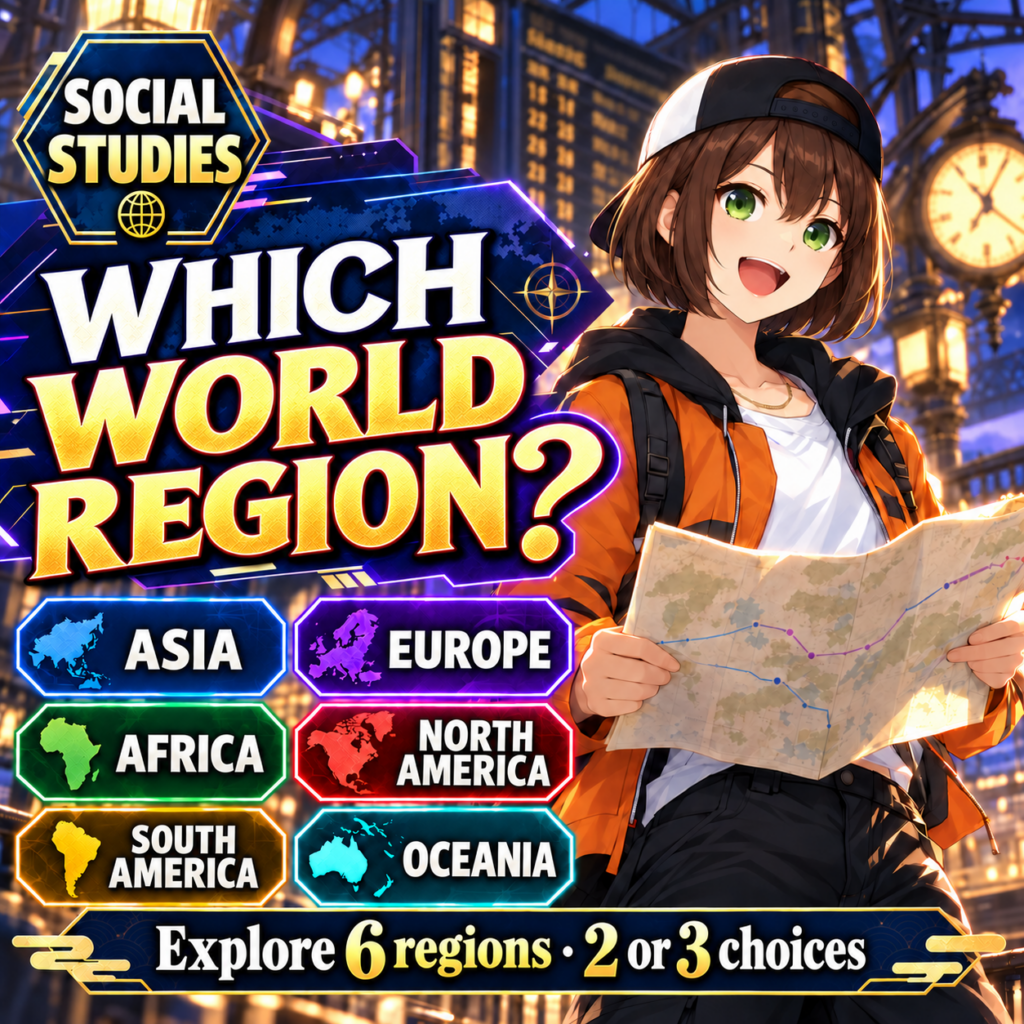
From the dawn of Meiji to Reiwa: a musical journey through modern Japan.
Westernisation, the Freedom and People’s Rights Movement, two world wars, post-war reconstruction and rapid economic growth.
This song follows modern Japanese history through Meiji, Taishō, Shōwa, Heisei and Reiwa.
Listen for key terms such as the abolition of the domains, “enrich the country, strengthen the military”, the Meiji Constitution, Taishō democracy, the Pacific War and the Constitution of Japan.
A changing society brought progress and hope, but also the shadows of war and disaster.
Rather than memorising isolated events, sing along and follow how one period connects to the next, leading to the present.
LYRICS
Romaji helps you sing the Japanese words. English meaning explains them, rather than matching the tune.
Japanese wordplay and memory tricks may sound unusual in English—that’s part of the fun! The sound clues work in Japanese.
ō and ū mark long vowels (oo and uu). Original English lines are kept as written.
Meiji yoake no kane ga naru
Samurai kiete kisha ga iku
Bunmei kaika no kaze ga fuku
Haihan chiken kuni o kae
Chōheirei chiso kaisei
Fukoku kyōhei (kuni-zukuri)
Jiyū minken (koe agari)
Itagaki Taisuke (minken uttae)
Itō Hirobumi (kenpō-zukuri)
Dai-Nippon Teikoku Kenpō (happu su)
Hito no inochi to kuni ga yureru
Nisshin Nichiro Kankoku heigō
Jidai no kage sekai o ōi
Daiichiji sekai taisen
Yushutsu ga nobite taisen keiki
Bukka agari (kome sōdō)
Taishō demokurashī (koe hirogaru)
Futsū senkyohō (michi wa hiraku)
Kantō daishinsai (machi o osoi)
Shōwa no sora ni (kage ga sasu)
Meiji no yoake kakenukete
Honrō no jidai utsuroiyuku machi
Megurikuru hikari to kage
Mada minu jidai e tsuzuku sora
Shōwa no sora ni kurai kage
Manshū jihen senka okori
Nitchū sensō nagabiite
Taiheiyō sensō hirogari
Kurashi mo inochi mo ubawareru
Kūshū tsuzuku (yaketa machi)
Hiroshima Nagasaki (genshi bakudan)
Ichi kyū yon go (shūsen)
Yakeato kara no (sengo fukkō)
Nihonkoku Kenpō (atarashiku)
Sengo no Nihon tachiagari
San Furanshisuko heiwa jōyaku
Kōdo keizai seichō machi wa nobi
Shinkansen ga kakenukeru
Tōkyō gorin sora ni waku
Oiru shokku ni (keiki yure)
Shōwa ga owari (Heisei e)
Baburu hajikete (fukyō no nami)
Nisen jūichi (daishinsai)
Heisei koete (Reiwa e to)
Shōwa no toki o kakenukete
Tachiagaru machi yakushin no kuni
Megurikuru hikari to kage
Aratana jidai e tsuzuku sora
Meiji Taishō Shōwa o koete
Heisei Reiwa e jidai wa meguru
Hikari mo kage mo tsunaginagara
Ima kono toki mo rekishi ni naru
Ima ikiru kimi mo rekishi o tsukuru
明治 夜明けの 鐘が鳴る
侍消えて 汽車が行く
文明開化の 風が吹く
廃藩置県 国を変え
徴兵令 地租改正
富国強兵(国づくり)
自由民権(声上がり)
板垣退助(民権訴え)
伊藤博文(憲法づくり)
大日本帝国憲法(発布す)
人の命と 国が揺れる
日清 日露 韓国併合
時代の影 世界を覆い
第一次 世界大戦
輸出が伸びて 大戦景気
物価上がり(米騒動)
大正デモクラシー(声広がる)
普通選挙法(道は開く)
関東大震災(街を襲い)
昭和の空に(影が差す)
明治の夜明け 駆け抜けて
翻弄の時代 移ろいゆく街
巡りくる 光と影
まだ見ぬ時代へ 続く空
昭和の空に 暗い影
満州事変 戦火起こり
日中戦争 長引いて
太平洋戦争 広がり
暮らしも命も 奪われる
空襲続く(焼けた街)
広島 長崎(原子爆弾)
一九四五(終戦)
焼け跡からの(戦後復興)
日本国憲法(新しく)
戦後の日本 立ち上がり
サンフランシスコ 平和条約
高度経済成長 街は伸び
新幹線が 駆け抜ける
東京五輪 空に沸く
オイルショックに(景気揺れ)
昭和が終わり(平成へ)
バブル弾けて(不況の波)
二〇一一(大震災)
平成越えて(令和へと)
昭和の時を 駆け抜けて
立ち上がる街 躍進の国
巡りくる 光と影
新たな時代へ 続く空
明治 大正 昭和を越えて
平成 令和へ 時代は巡る
光も 影も つなぎながら
今この時も 歴史になる
今生きる君も 歴史をつくる
Meiji: the bells ring out at dawn.
The samurai fade away; steam trains roll on.
Winds of modernization sweep through the land.
Domains become prefectures, transforming the country.
Conscription, and reform of the land tax.
Enrich the country, strengthen the army (building a nation).
Freedom and people's rights (voices rise).
Itagaki Taisuke (calling for civil rights).
Itō Hirobumi (drafting a constitution).
The Constitution of the Empire of Japan (is proclaimed).
Lives and nations are shaken.
War with China, war with Russia, the annexation of Korea.
The shadows of the age spread across the world.
The First World War.
Exports rise in a wartime economic boom.
Prices rise (the Rice Riots).
Taishō democracy (more voices are heard).
The Universal Manhood Suffrage Law (opens a path).
The Great Kantō Earthquake (strikes the cities).
Across the Shōwa sky (shadows fall).
Racing through the dawn of Meiji,
through turbulent times and changing towns.
Light and shadow come around again,
beneath a sky that stretches into an age still unseen.
Dark shadows cover the Shōwa sky.
The Manchurian Incident: conflict erupts.
The war between Japan and China drags on.
The Pacific War spreads,
and livelihoods and lives are lost.
Air raids continue (cities burn).
Hiroshima, Nagasaki (atomic bombs).
1945 (the war ends).
From the ruins (postwar reconstruction).
The Constitution of Japan (a new beginning).
Postwar Japan rises again.
The San Francisco Peace Treaty.
Rapid economic growth; cities expand.
The Shinkansen races across the land.
Tokyo celebrates the Olympic Games.
The oil shock (shakes the economy).
Shōwa ends (and Heisei begins).
The bubble bursts (a wave of recession).
2011 (the great earthquake disaster).
Beyond Heisei (into Reiwa).
Racing through the Shōwa years,
through rebuilding cities and a rapidly advancing nation.
Light and shadow come around again,
beneath a sky that stretches into a new age.
Through Meiji, Taishō and Shōwa,
into Heisei and Reiwa, the ages turn.
Carrying both light and shadow forward,
this very moment becomes history too.
You, living here today, are making history too.
 LOOK CLOSER · LOCK ON
Follow the changing eras through the song.
「富国強兵 国づくり」
“Enrich the country, strengthen the military — building a nation.”
The Meiji government promoted industry and military strength to compete with Western powers.
Connect this policy with early Meiji reforms: replacing the domains with prefectures, conscription and land-tax reform.
大正デモクラシー 声広がる
“Taishō democracy — voices spreading.”
Demands for freedom and political participation grew during the Taishō period.
The Rice Riots and the General Election Law are signposts in this time of social and political change.
1945 終戦
“1945 — the war ends.”
War expanded from the Manchurian Incident into the Second Sino-Japanese War and the Pacific War.
After air raids and the atomic bombings of Hiroshima and Nagasaki, the war ended in 1945.
焼け跡からの 戦後復興
“Post-war reconstruction from the ruins.”
After the war, the Constitution of Japan came into effect, followed in time by rapid economic growth.
The Shinkansen and the Tokyo Olympics reflect major changes in society and everyday life.
今生きる君も 歴史をつくる
“You, living now, are making history too.”
History is not only about long ago.
The present we are living through will also become part of history.

LYRIC SHEET
Japanese lyric sheet
Download the lyrics and look a little deeper.
The lyrics contain key historical terms and clues to each period.
Print them, add your own notes and trace how the eras connect.